Japanese Knife Maker, Visual Identity & Brand System for European Distribution
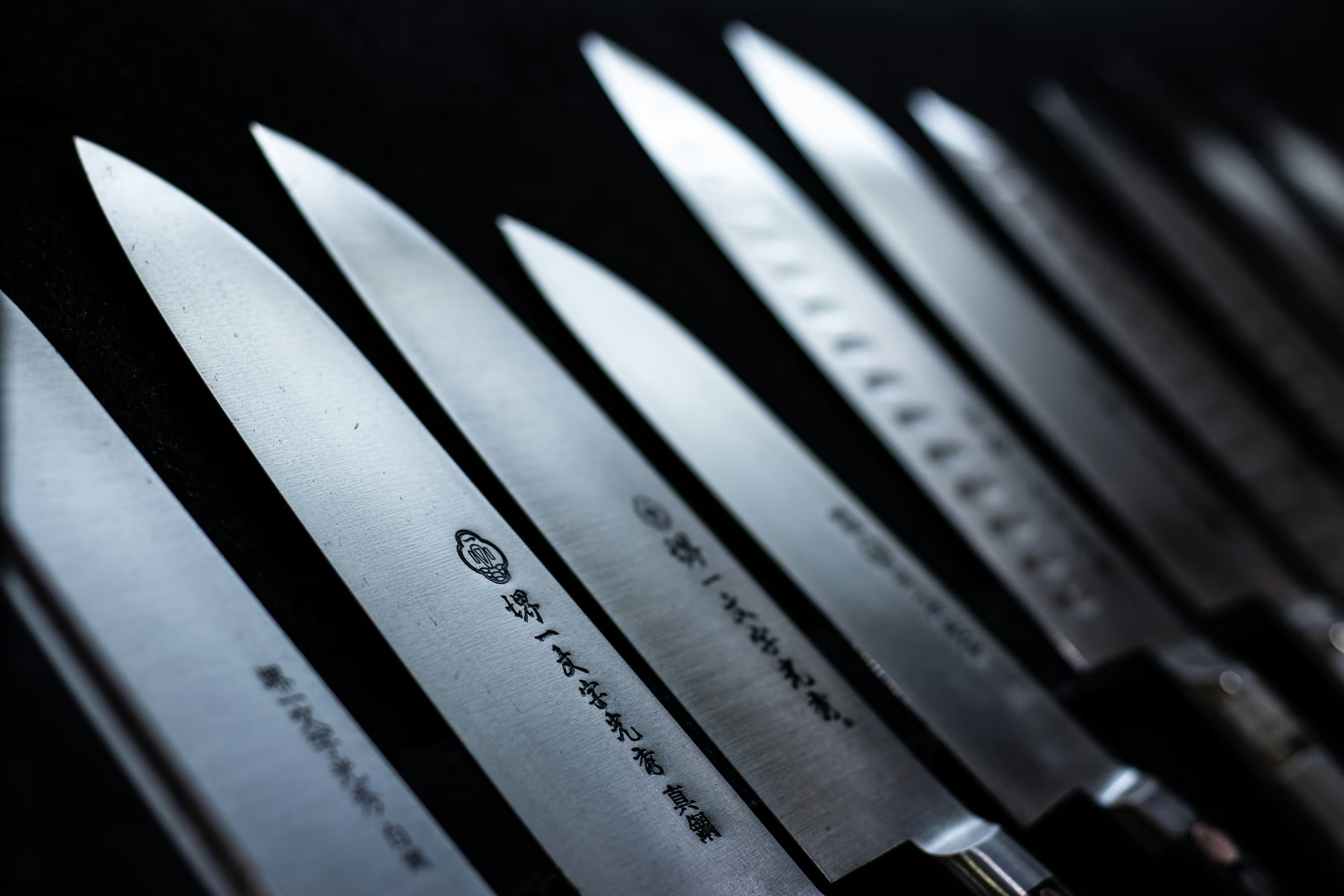
Real briefs. Real clients. The strategic layer your design education skipped.
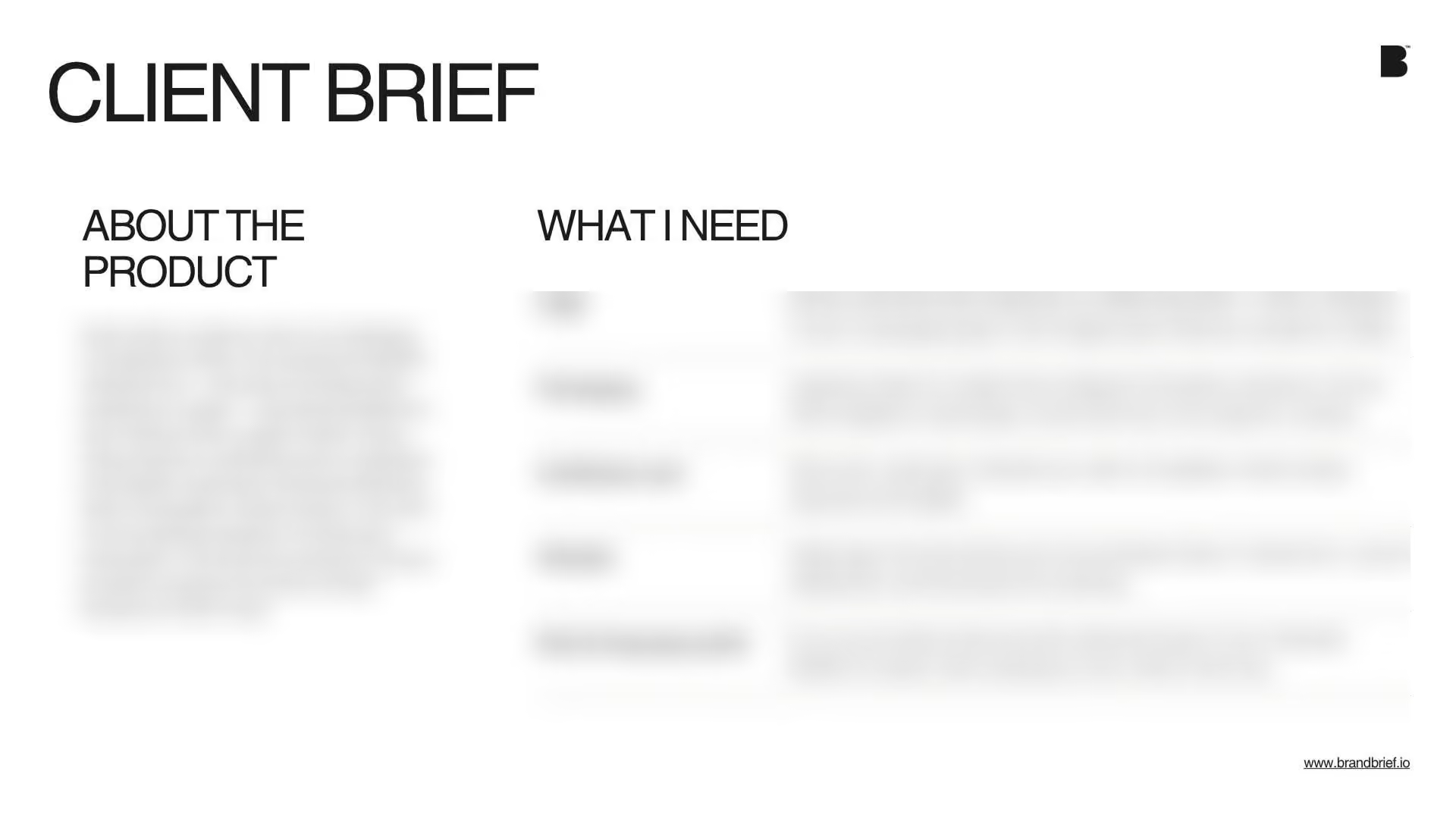
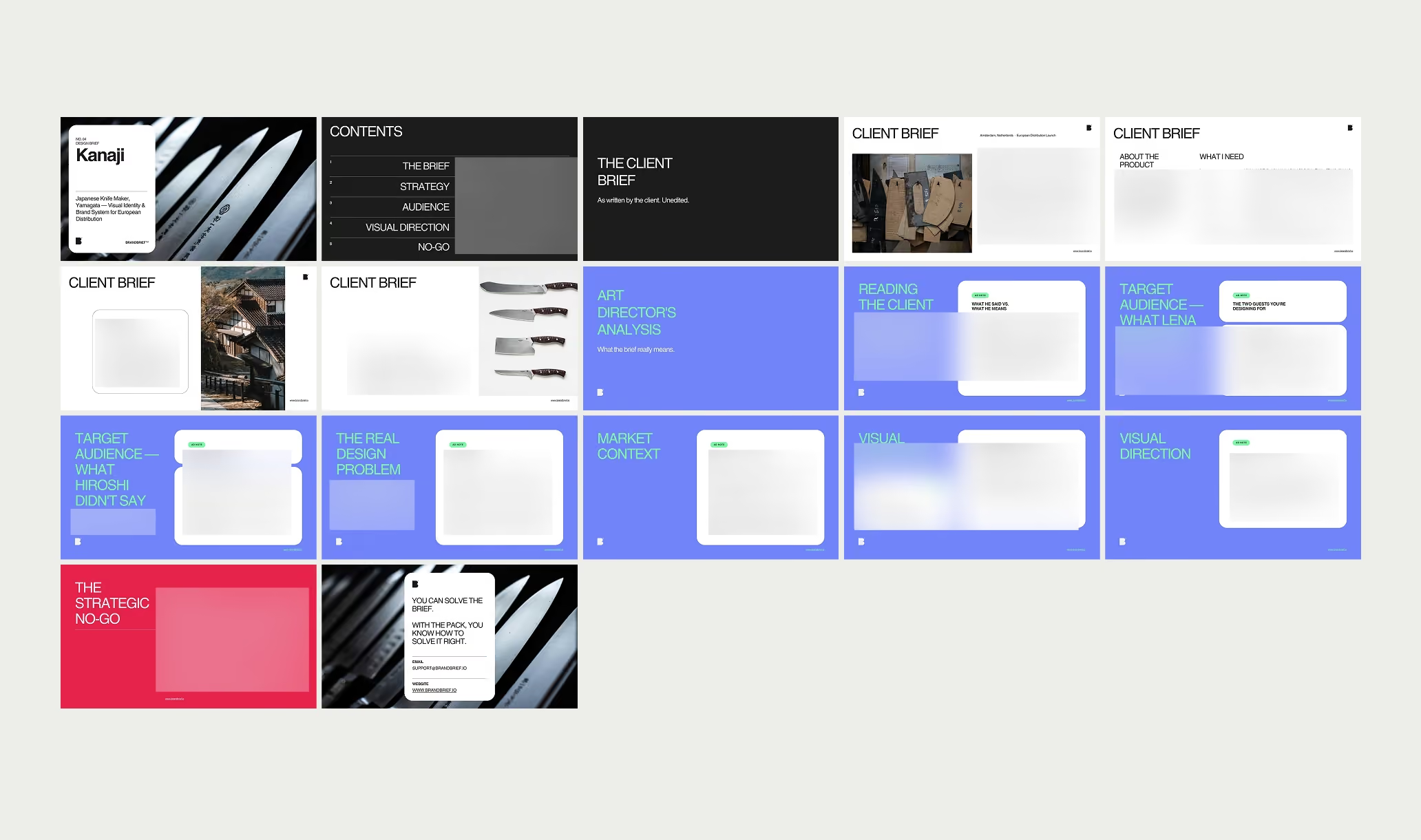
Each pack contains complete briefs, a raw client brief written in the client's own voice, and a full Art Director's Analysis that tells you what it actually means.
WHAT’S INCLUDED
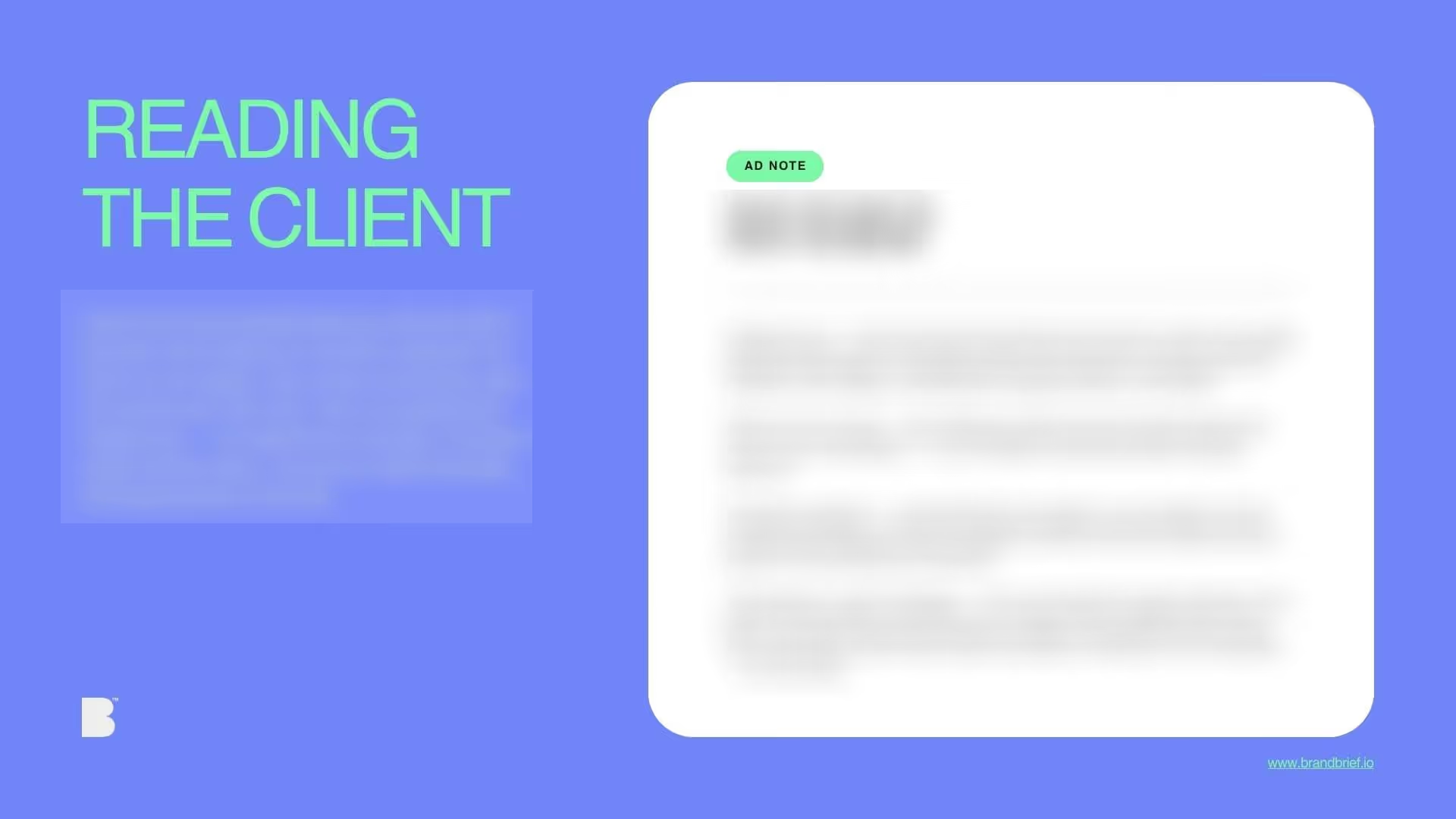
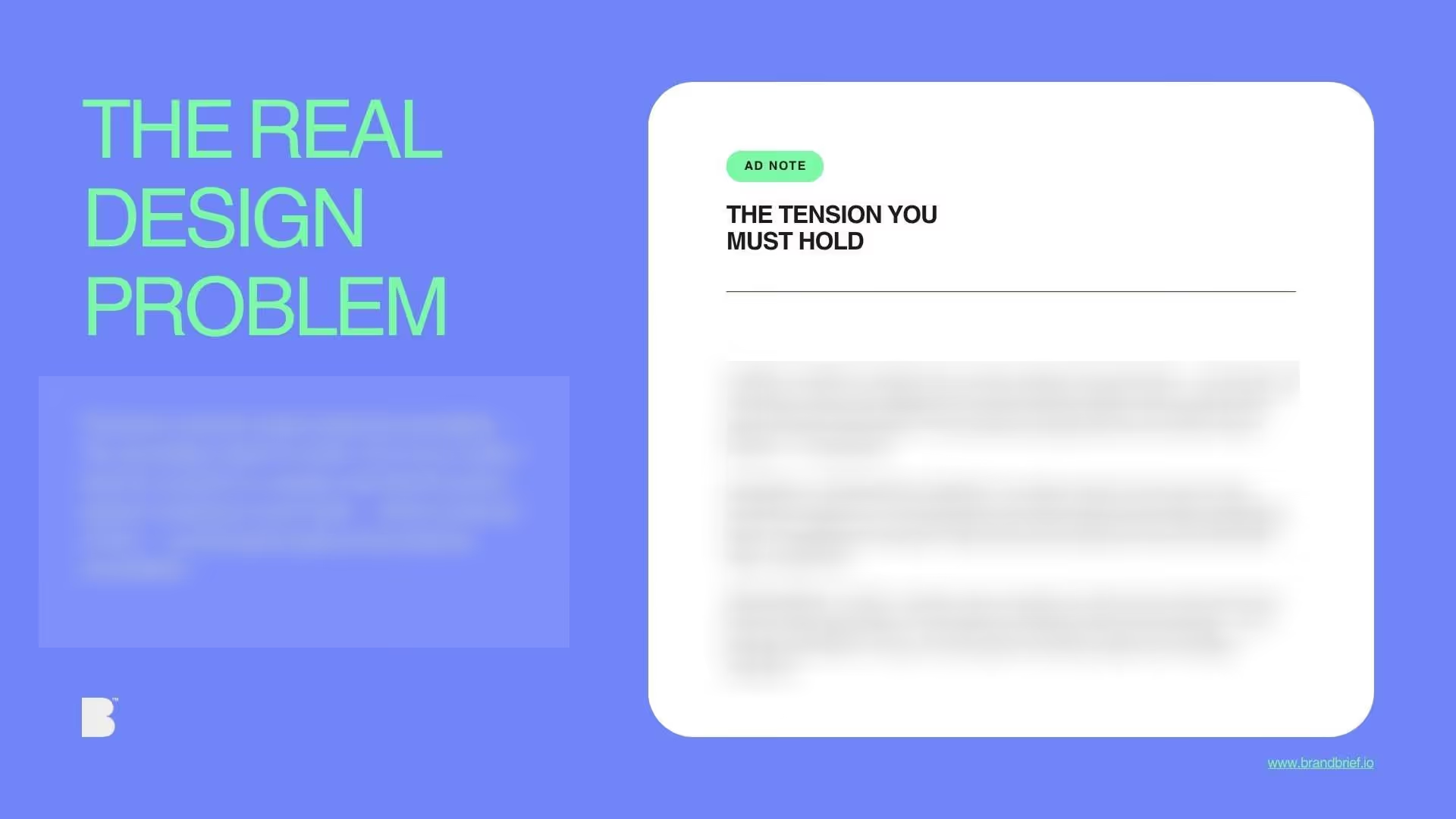

WHY THE ANALYSIS MATTERS
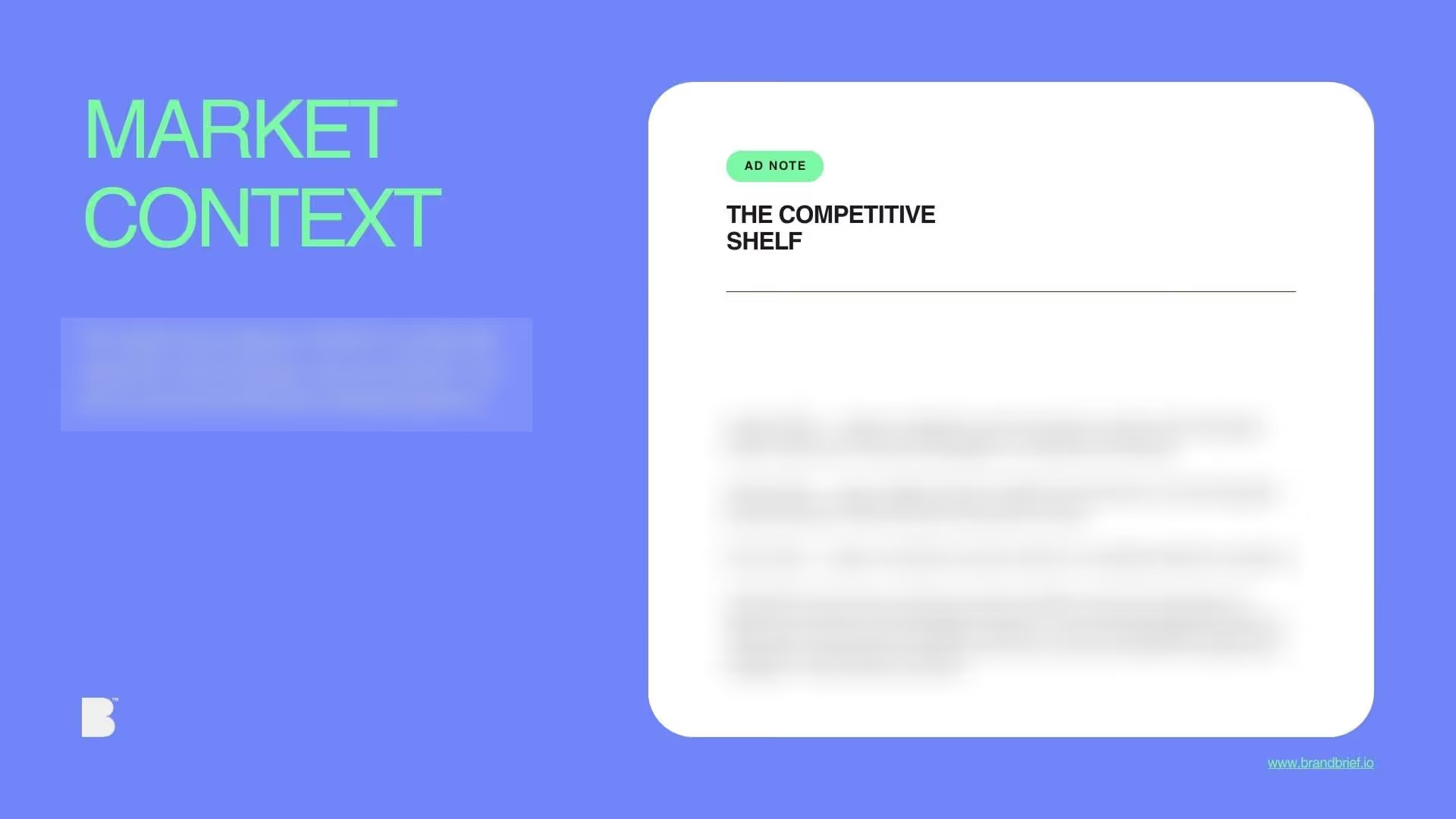
who's on the shelf and what the gap is
Single client brief
+ full Art Director's Analysis
Includes the full Art Director's Analysis — the strategic document agencies charge separately for and most briefs never include.
New briefs added every month.
€29/mo
Cancel anytime.
All current briefs + every new brief published during your active subscription.
Download all design briefs.
What you learn
- How to build a brand for someone who doesn't want a brand
- Why a technical document is stronger branding than any brand story
- How to avoid orientalist clichés while remaining honest to a product's origin
- What "performing authenticity" means — and why it always fails
- How to design packaging that works for the moment of unboxing, not just the moment of sale
WHY DESIGNERS BUY BRANDBRIEF™ Design Briefs
You get the brief agencies never share.
You stop designing in a vacuum.
You learn to think before you open a file.
You build portfolio pieces that answer real questions.
You practice the skill no one teaches.
You understand why the good work looks the way it does.
You get a realistic project timeline.
TAKE A LOOK INSIDE
Questions?
Ready to level up?
Single client brief
+ full Art Director's Analysis
Includes the full Art Director's Analysis — the strategic document agencies charge separately for and most briefs never include.
New briefs added every month.
€29/mo
Cancel anytime.
All current briefs + every new brief published during your active subscription.
Download all design briefs.
A professional design brief goes beyond a list of deliverables. The briefs that lead to strong brand identities share three things: a clearly defined competitive position, a specific understanding of who the brand is speaking to, and a strategic direction that makes visual decisions easier — not harder. This is what separates a brief that produces competent work from one that produces work worth putting in a portfolio.
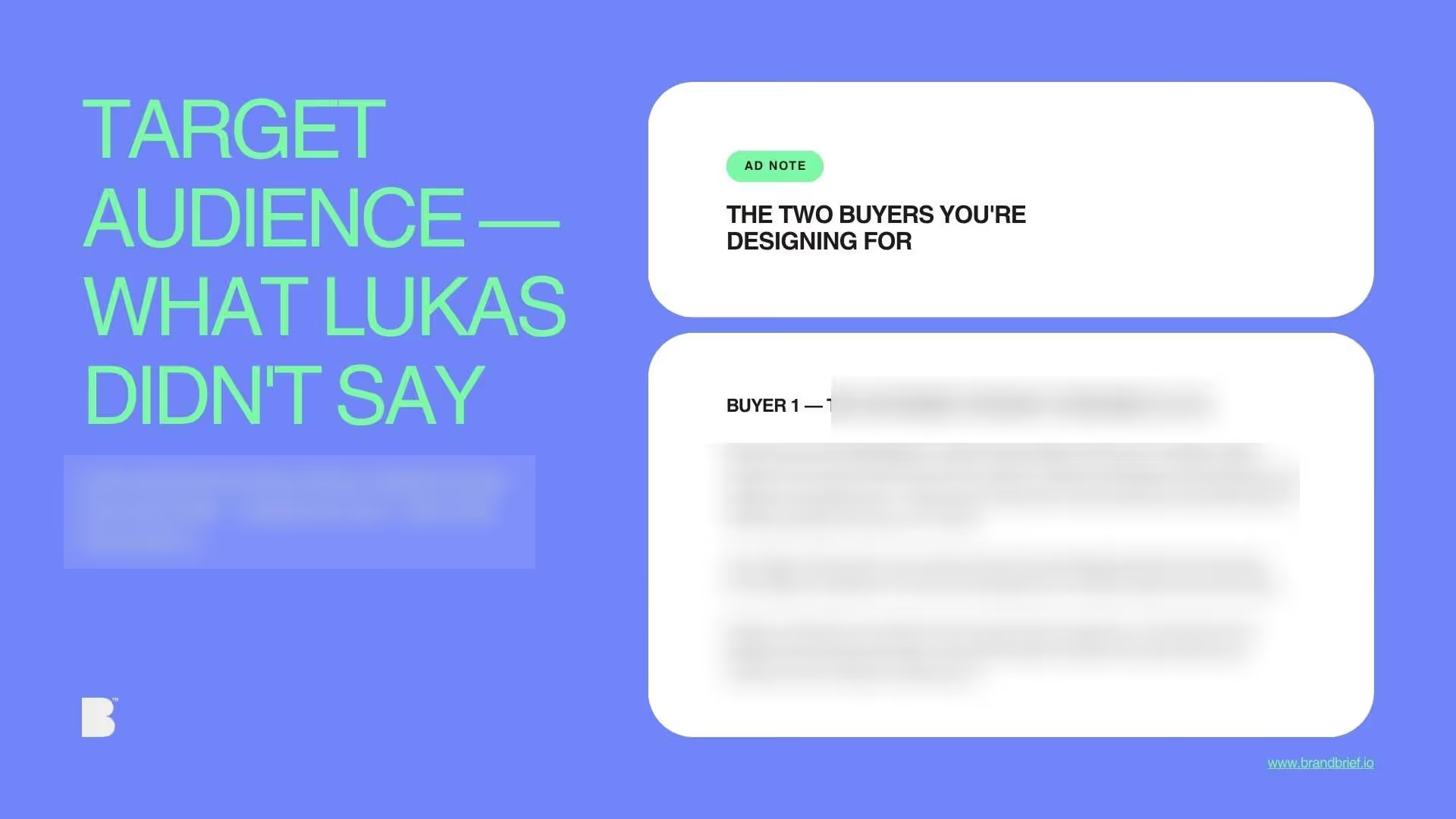
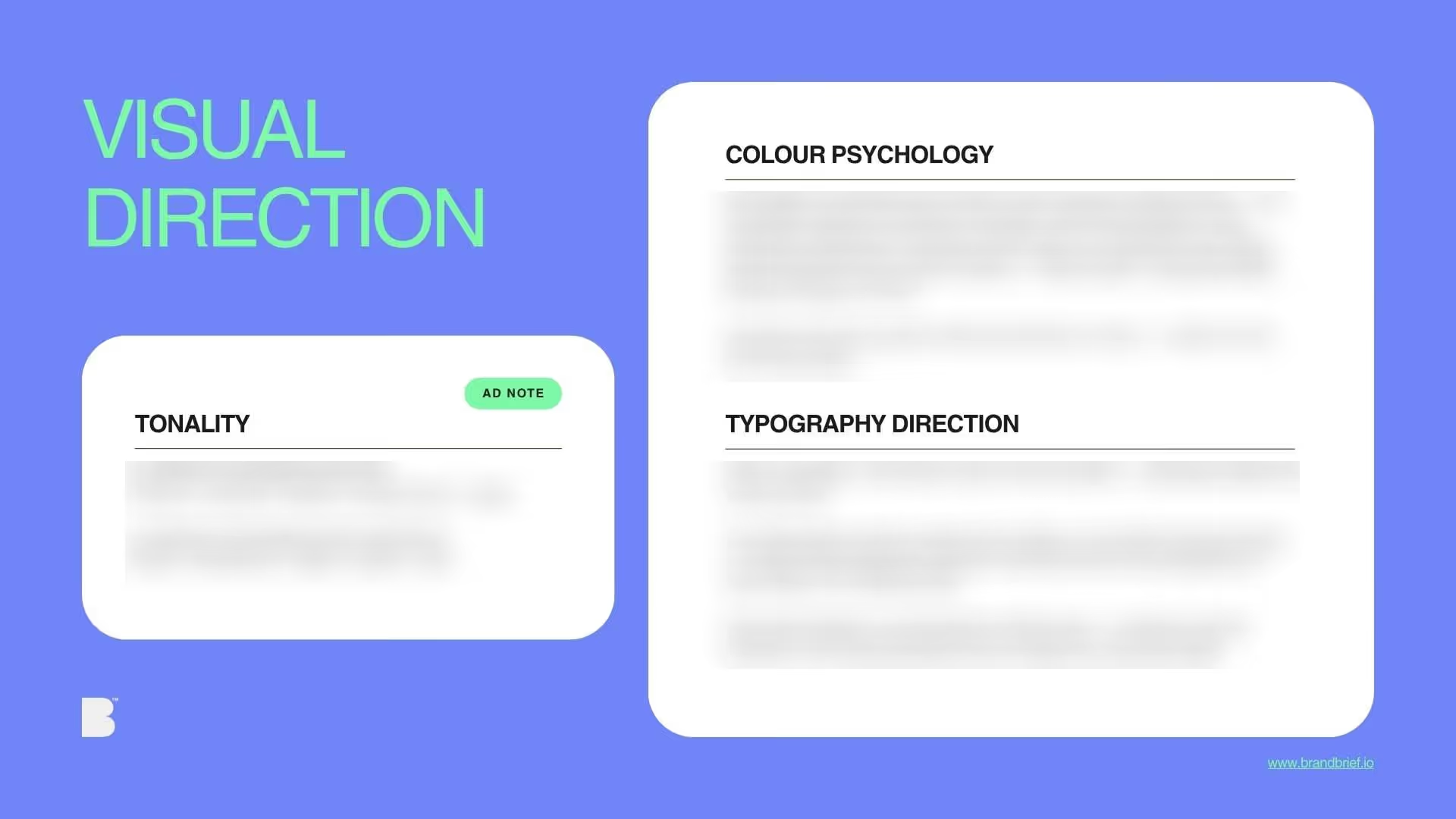
Craft product branding presents a specific design challenge: how do you build a visual identity for something that is genuinely authentic without making it perform authenticity. For a single-maker knife distributed across markets, the brief must answer questions the client has never asked — what the European buyer already knows, what the competitive shelf looks like, and why the most honest design decision is often the most restrained one. BRANDBRIEF™ Design Briefs include a full Art Director's Analysis — covering positioning, audience psychology, visual reference world, typographic direction, and the strategic no-go that most designers in this category get wrong in exactly the same way.
Every brief includes a full Art Director's Analysis — competitive landscape, buyer psychology, visual direction, and the strategic no-go. This is the layer that agencies build internally and never share. Here, it's included.