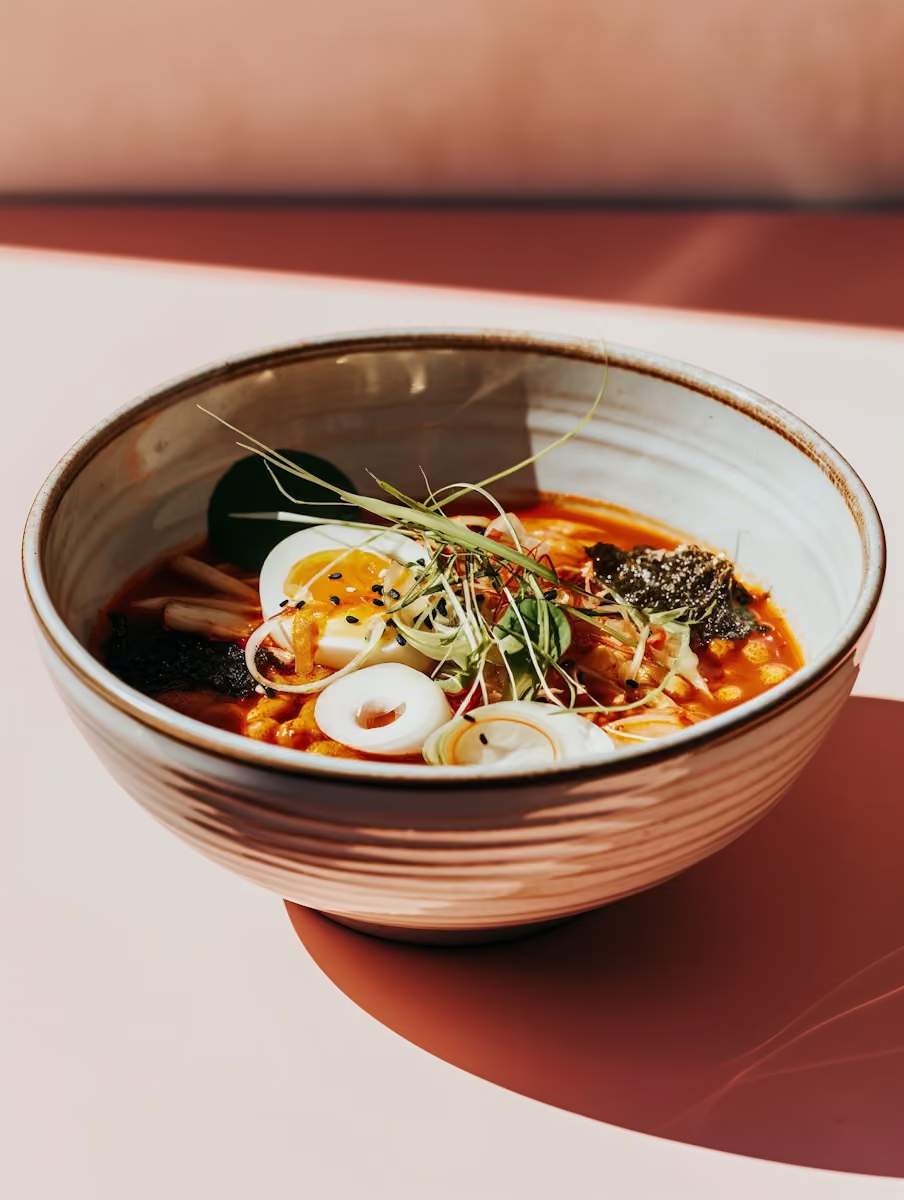
Ramen Shop, Visual Identity & Takeaway Packaging
Real briefs. Real clients. The strategic layer your design education skipped.
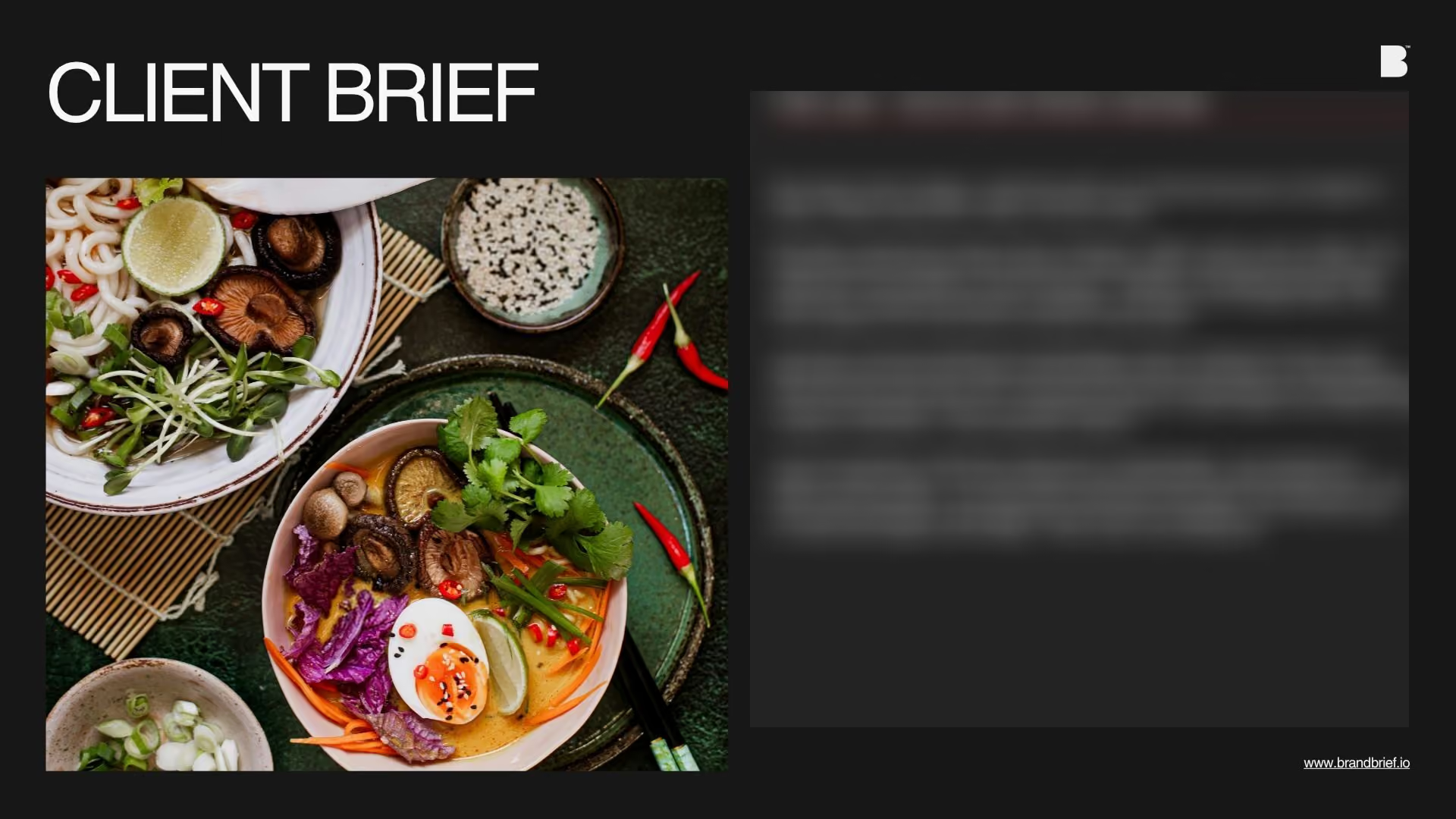
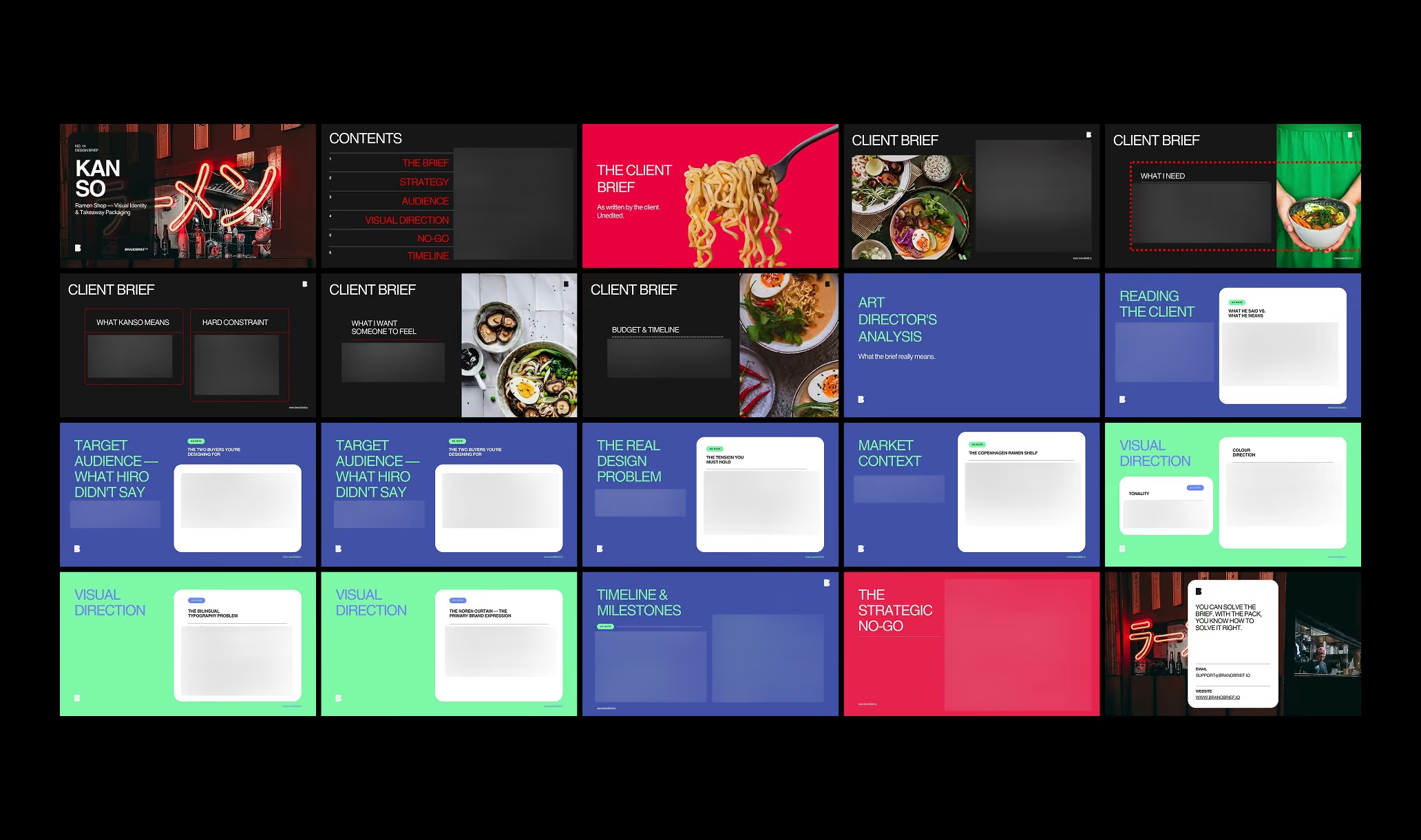
Each pack contains complete briefs, a raw client brief written in the client's own voice, and a full Art Director's Analysis that tells you what it actually means.
WHAT’S INCLUDED
WHY THE ANALYSIS MATTERS
who's on the shelf and what the gap is
Single client brief
+ full Art Director's Analysis
Includes the full Art Director's Analysis — the strategic document agencies charge separately for and most briefs never include.
New briefs added every month.
€29/mo
Cancel anytime.
All current briefs + every new brief published during your active subscription.
Download all design briefs.
What you learn
- How to design a brand that must feel local in two cities simultaneously — without adapting to either
- Why the noren curtain is a design brief in itself — and what designing for fabric demands that screen design does not
- How to approach bilingual typography as a functional challenge, not a decorative one
- What it means to carry forty years of specificity into a new context without performing it or explaining it
- How to identify and reject the obvious solution — and find the right one in the space it leaves behind
WHY DESIGNERS BUY BRANDBRIEF™ Design Briefs
You get the brief agencies never share.
You stop designing in a vacuum.
You learn to think before you open a file.
You build portfolio pieces that answer real questions.
You practice the skill no one teaches.
You understand why the good work looks the way it does.
You get a realistic project timeline.
TAKE A LOOK INSIDE
Questions?
Ready to level up?
Single client brief
+ full Art Director's Analysis
Includes the full Art Director's Analysis — the strategic document agencies charge separately for and most briefs never include.
New briefs added every month.
€29/mo
Cancel anytime.
All current briefs + every new brief published during your active subscription.
Download all design briefs.
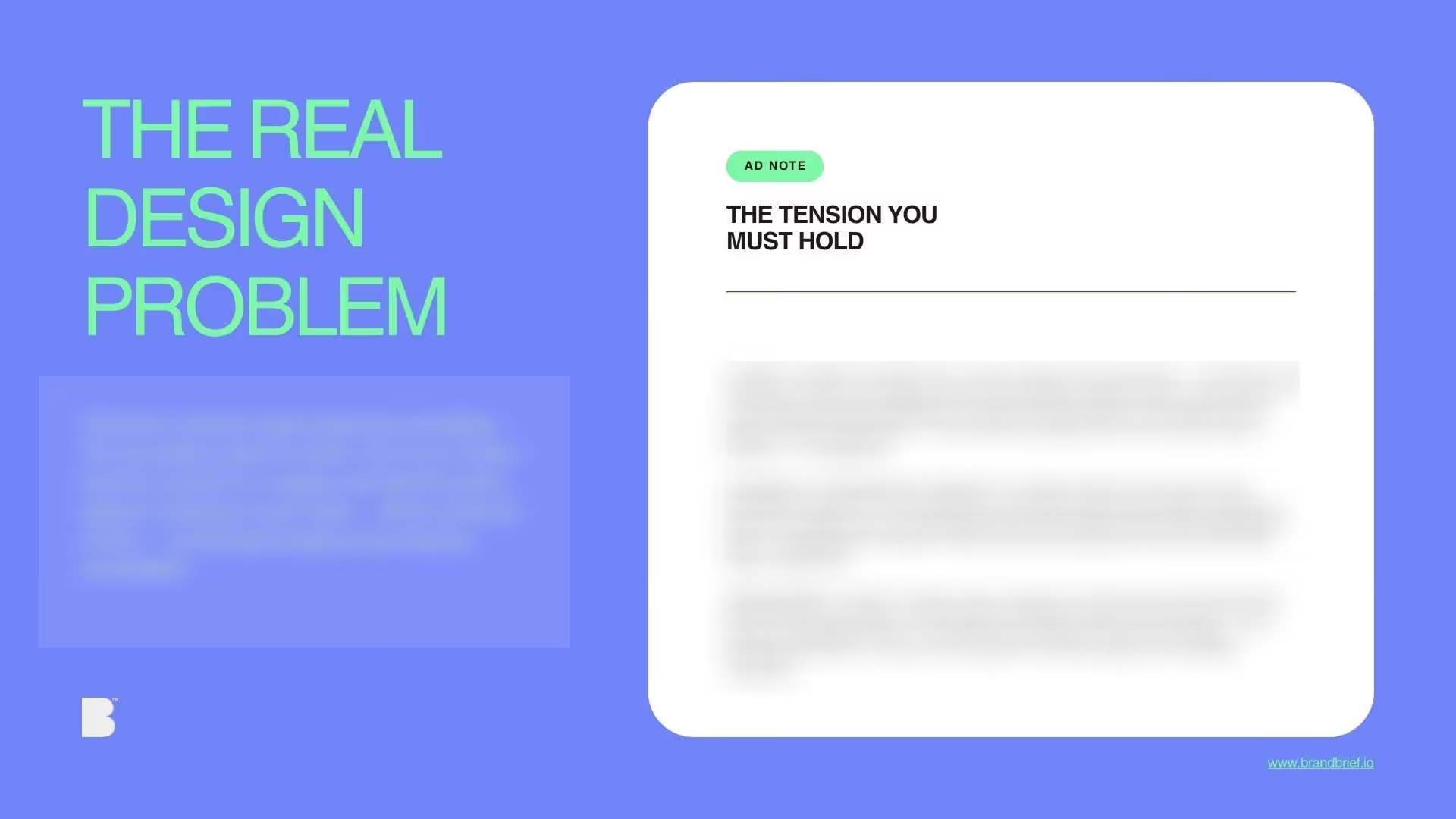
A professional design brief goes beyond a list of deliverables. The briefs that lead to strong brand identities share three things: a clearly defined competitive position, a specific understanding of who the brand is speaking to, and a strategic direction that makes visual decisions easier — not harder. This is what separates a brief that produces competent work from one that produces work worth putting in a portfolio.
The hardest briefs are not the ones with too many constraints. They are the ones where the constraint is invisible — where the obvious solution is so available that most designers take it without noticing. For a ramen shop moving from Osaka to Copenhagen, the obvious solution is Japanese-looking design: brushwork, red circles, kanji used decoratively, the visual language of Japanese restaurant export branding that exists on every high street in every European city. It is available. It is wrong. The real brief is harder: how do you carry forty years of specificity from one city to another without performing that history, and without leaving it behind? BRANDBRIEF™ Design Briefs include the full Art Director's Analysis — covering the bilingual typography challenge of designing one mark in two scripts, why the noren curtain is the primary brand expression and what that means for how you design it, the Copenhagen competitive landscape and the visual gap KANSO can own, and a 12-week timeline built around a fabric production deadline that cannot move.
Every brief includes a full Art Director's Analysis — competitive landscape, buyer psychology, visual direction, and the strategic no-go. This is the layer that agencies build internally and never share. Here, it's included.